The Ultimate Guide to Receive Email Online Free in 2026: Stop Spam and Protect Your Privacy
Let’s be honest for a second: how many unread emails are sitting in your primary inbox right now? If you’re like most people I talk to, that number is probably in the thousands. It’s a mess of newsletters you never read, promotional offers from a store you visited once five years ago, and "urgent" updates that are anything but urgent.
We live in a world where every single website, app, and Wi-Fi hotspot demands your email address just to let you in the door. It feels like a transaction: "Give us your data, and we’ll give you access." But the cost of that transaction is a cluttered digital life and a serious hit to your privacy.
This is exactly why knowing how to receive email online free is one of the most valuable digital skills you can learn in 2026.
I’ve spent the better part of the last decade helping clients clean up their digital footprints, and I can tell you that the "one email for everything" strategy is dead. If you want to keep your personal data safe and your inbox sane, you need to master the art of the temporary email address.
In this guide, I’m going to walk you through everything you need to know. We aren't just talking about a list of tools; we are going to look at the strategy behind using a free online email inbox, how to bypass registration walls, and the critical do's and don'ts that beginners often miss.
Why You Need to Stop Using Your Real Email for Everything
Before we dive into the "how," we need to address the "why." You might be thinking, "I have a spam filter, isn't that enough?"
In my experience, spam filters are great, but they are reactive. They try to clean up the mess after it's already happened. Using a disposable email service is proactive—it prevents the mess from ever reaching your front door.
Here is the reality of the internet in 2026:
1. The Data Broker Economy
When you sign up for a "free" ebook or a 10% discount code, that company often sells your email address to data brokers. Once you are on those lists, you are there forever. I’ve seen clients create a brand new email, sign up for one "contest," and receive 50 spam emails within a week.
2. Security Breaches are Routine
It seems like every week there’s a new headline about a major database leak. If you use your primary email for every sketchy forum or one-time service, you are increasing your "attack surface." Hackers use these leaked emails to attempt phishing attacks on your actual important accounts, like banking or social media.
3. The "Unsubscribe" Myth
We have all clicked "unsubscribe" at the bottom of a marketing email, only to get another one three days later. Sometimes, clicking that link actually confirms to spammers that your email is active, leading to more spam. A temp mail 2026 solution solves this by simply ceasing to exist.
See here….Understanding the Importance of a TH9 Farming Base
What Actually Is a Disposable Email Service?
If you are a total beginner, the concept might sound a bit high-tech, but it’s actually incredibly simple.
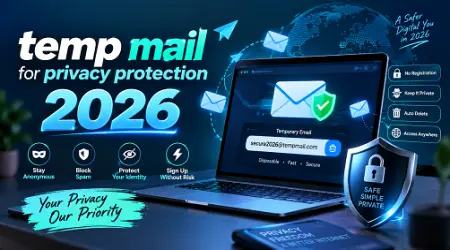
To receive emails without registration, you use a service that generates a random, functional email address for you instantly. It looks something like [email protected].
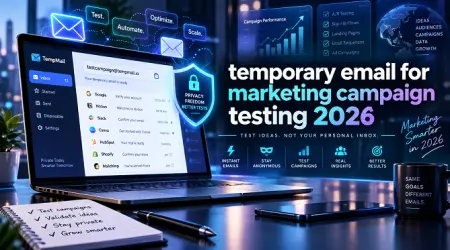
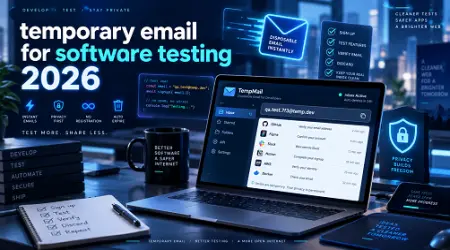
You copy this address, paste it into the website asking for your info, and then wait on the disposable email provider's webpage. When the verification email comes in, it pops up right there in your browser.
The key differences between this and your regular Gmail or Outlook are:
- No Password: You usually don't need to log in.
- Short Lifespan: The inbox might self-destruct in 10 minutes, 24 hours, or as soon as you close the tab.
- Anonymity: There is no link back to your real identity.
It is essentially a burner phone, but for the internet.
Top Methods to Receive Email Online Free in 2026
The landscape of temporary email has changed a lot over the years. Some services that were popular in 2020 are now blocked by most major websites. In 2026, you need tools that are faster and have better domain reputation.
Here are the categories of tools I recommend, based on how I personally handle my workflow.
1. The "Click and Go" Inboxes
These are the easiest to use. You land on the homepage, and an email address is already waiting for you.
- How it works: You open the site, copy the address shown, and leave the tab open.
- Best for: Quick Wi-Fi logins, downloading a PDF, or viewing a news article behind a registration wall.
- Pros: Zero friction. No setup required.
- Cons: These domains are public. If you refresh the page, you might lose the address.
2. The Timer-Based Inboxes
These services give you a specific time limit (usually 10 to 60 minutes) before the email address is deleted from the server forever.
- Why use them: They often have better success rates with websites that try to block temporary email addresses. The urgency forces you to complete the verification quickly.
- Feature to look for: Look for a "Reset Timer" button. I’ve been in situations where a verification email was delayed, and being able to add another 10 minutes saved the day.
3. Permanent "Burner" Accounts
This is a middle ground. It’s an anonymous email online that you can log back into with a token or a password, but it isn't tied to your identity.
- Best for: Services you might need to access twice, like a secondary gaming account or a forum login where you might need to reset a password later.
See here…How to use Instagram for growth
Step-by-Step: How to Use a Free Online Email Inbox
Let’s walk through a real-world scenario. Let’s say you want to try out a new AI photo editor, but they require an account and you know they are going to spam you to upgrade to the "Pro" plan.
Step 1: Choose Your Provider Search for a reputable disposable email site. (I’ll discuss safety markers later, but look for one that uses HTTPS and doesn't bombard you with malicious ads).
Step 2: Generate the Address On the homepage, you will see a box with a random email address. Click the "Copy" button. Pro Tip: Don't close this tab! This is your inbox.
Step 3: Register on the Target Site Go to the photo editor website. Paste the disposable address into the "Email" field. Fill in a fake name if asked.
Step 4: The Waiting Game Go back to your disposable email tab. Watch the inbox list. In 2026, most emails arrive within 5 to 10 seconds. If it takes longer than a minute, hit the "Refresh" button (not the browser refresh, but the refresh button on the page interface).
Step 5: Verify and Abandon Open the email, click the "Verify Account" link, and you are in. You can now close the disposable email tab. That email address will disappear into the digital void, taking all future spam with it.
When Should You Use (and NOT Use) Disposable Email?
This is the most critical section of this article. As an expert, I see people making dangerous mistakes here. Just because you can receive email online free, doesn't mean you always should.
The Green Light (Safe to Use)
- One-Time Downloads: Whitepapers, ebooks, software trials.
- Public Wi-Fi Portals: Airports and coffee shops often ask for email to connect. Never give them your real one.
- Comment Sections: If you want to leave a comment on a blog that requires a login.
- Price Comparisons: Websites that force you to enter an email to "See the Price."
The Red Light (Never Use)
- Banking or Finance: Never, ever use a temp mail for PayPal, crypto exchanges, or banks. If you lose access to the email (which you will), you lose access to your money.
- Medical Records: Too risky for privacy leaks if the disposable service isn't encrypted (most aren't).
- Primary Social Media: If you use a temp mail for your main Instagram or Facebook, and you get locked out or hacked, you cannot recover the account.
- Job Applications: It looks unprofessional and you might miss the interview invite if the inbox expires.
Advanced Strategies: Managing Aliases vs. Temp Mail
If you want to level up your email game, you should understand the difference between a truly disposable address and an email alias.
In 2026, privacy is becoming a standard feature. Big tech companies are starting to integrate "Hide My Email" features directly into operating systems.
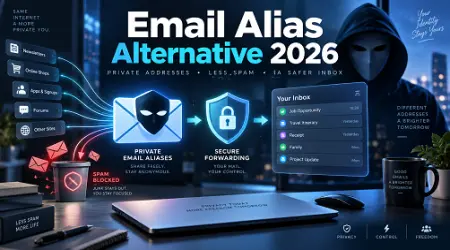
Aliases: These are forwarding addresses. You create a random address that forwards to your real inbox.
- Pros: You receive the email in your main app. You can turn the alias off if spam starts.
- Cons: It still clutters your main inbox until you disable it. It usually requires a paid subscription to an ecosystem (like iCloud+ or a dedicated masking service).
Disposable Inboxes: These are completely separate silos.
- Pros: The spam never touches your real account. It’s free.
- Cons: Once it's gone, it's gone.
For the budget-conscious beginner, the receive email online free method via a disposable website is still the best route because it requires zero commitment and zero credit card entry.
Common Problems and Troubleshooting
Sometimes, things don't go smoothly. You paste the address, hit send, and... nothing. Here is why that happens and how to fix it.
1. The "Blacklisted Domain" Issue Many streaming services and sophisticated websites keep a list of known temporary email domains. If you try to sign up and get an error saying "Please enter a valid email address," they have flagged the domain.
- The Fix: specific temp mail services allow you to "Change Domain." Look for a button that lets you swap @tempmail.com for something less obvious like @adventure-news.net.
2. The Aggressive Spam Filter Sometimes the verification email is sent, but the disposable service’s own filters block it because it looks like bot traffic.
- The Fix: Try a different service. It helps to have 2-3 "go-to" sites bookmarked.
3. The Content is Blocked Some disposable inboxes strip out HTML or images to protect you from tracking pixels. This can make the "Verify" button unclickable.
- The Fix: Look for a "View Source" or "View Text Only" option in the email interface. You can often copy the verification URL manually and paste it into your browser.
Security and Privacy: Is It Safe?
People often ask me, "Is using an anonymous email online service actually safe?"
The answer is yes, but with a caveat.
Most reputable free services generate the email, display the content to you, and then wipe the data. They don't want the liability of holding your data. However, because these inboxes are public (anyone with the address can technically view the inbox if there is no password), you should treat them like a public bulletin board.
Do not receive sensitive information containing passwords or personal ID numbers on a public disposable inbox.
If you are just receiving a confirmation code for a 14-day trial of a video game, the risk is effectively zero. The worst that happens is someone else sees that "User123" signed up for a game.
Why "Receive Email Online Free" is Trending in 2026
You might notice that interest in temp mail 2026 is higher than ever. There is a cultural shift happening. We are moving away from the era of "Big Data" where we freely gave away our info, into an era of "Data Minimization."
Users are tired. They are tired of the notifications, the breaches, and the feeling of being watched. Using a temporary email is a small act of rebellion. It’s a way of saying, "I want your content, but you cannot have my digital soul."
Furthermore, as AI generates more sophisticated phishing emails, keeping your primary email address secret is a legitimate security layer. If your real email isn't in the database of a sketchy website, it can't be leaked when that website inevitably gets hacked.
See here…Easy defense base COC
Frequently Asked Questions (FAQs)
1. Is it illegal to use a temporary email address? No, absolutely not. Using a temporary email address is perfectly legal. However, using one to commit fraud or evade bans on services where you have been blocked for violating terms of service is against the rules of those specific websites.
2. Can I send emails from these services? Generally, no. Most free online email inbox services are "receive only." This is to prevent spammers from using the platform to send junk mail to others. Some premium services allow sending, but for free tools, it's usually inbound only.
3. How long does the email address last? It varies by provider. Some last 10 minutes, some last 24 hours, and some last until you delete the cookies in your browser. Always check the timer on the screen so you don't get cut off mid-process.
4. Can I recover a disposable email once it's gone? In 99% of cases, no. Once the session ends or the timer runs out, that inbox is deleted from the server. This is a security feature, not a bug. If you need a permanent address, use a real email provider.
5. Do these services work on mobile? Yes, almost all disposable email services are web-based and responsive. You can open them in Chrome or Safari on your phone just as easily as on a desktop. There are also dedicated apps, but the browser versions are usually sufficient and don't require an install.
6. Why do some websites block these emails? Websites want your real data for marketing purposes and user retention. A temporary email holds no value to them because they can't market to you later. Therefore, they try to block the domains associated with disposable services.
Conclusion: Take Back Your Inbox
Learning to receive email online free is more than just a convenient trick; it’s a fundamental habit for digital hygiene in 2026.
By using a disposable email for the low-value, high-spam interactions in your life, you protect your primary inbox for what truly matters: communication with friends, family, and essential services. You reduce your exposure to data leaks, you eliminate clutter, and you maintain a level of anonymity that is becoming increasingly rare.
My challenge to you is simple: The next time a website asks for your email address just to give you a discount code or let you read an article, stop. Don't autopilot your Gmail into that box. Open a new tab, search for a free temp mail service, and use that instead.
Your future self—and your empty inbox—will thank you.
Actionable Next Step
Bookmark three different disposable email services today. Test them out. See which one loads fastest for you. Having them ready in your bookmarks bar means you’ll actually use them when the time comes. Stay safe out there!