The Ultimate Guide to Using an Anonymous Email for Signup in 2026
We all have been in such situations. You discover a tool, a discount code or a PDF guide that you need to have. However, just before you're about to get to it, a pop up appears: “Enter your email to continue.”
You know what's going to happen next. As soon as you give away your main email address you start receiving continuous marketing emails, weekly newsletters you didn't sign up for, and worse, your information could be sold on to third-party marketing lists. As far as I'm concerned, a secure primary inbox is not only a way to stay out of the way; it is also a big part of cybersecurity.
That's what makes anonymous email signups so essential in 2026, especially for tech-nerds, but for anyone online, too.
Whether you're seeking a quick promo code, experimenting with a new software platform, or simply want to keep your true email safe in case of the inevitable next corporate data breach, the hidden inbox is the ultimate trick.
What I'm about to go through with you is the secret sauce of email tracking, the best anonymous email providers in the game right now, and how you can create an impenetrable, anti-spam signup email strategy today.
What Actually Is an Anonymous Email Address?
Let's dispel the jargon, it's important to know that there is a few completely different digital tools that are called “anonymous email”.
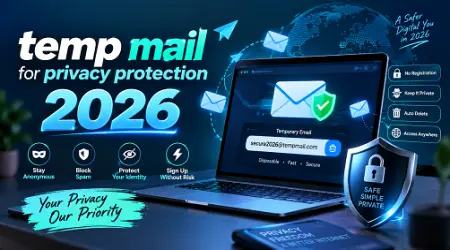
In general, when people refer to anonymity in email sign-up, they're referring to an alternate, untraceable email address between you and the company that's requesting your information.
Consider it as a digital PO Box. The sender sends their message to the PO Box, and you have the option of reading it there, or getting it safely delivered to your home with the sender not knowing your home address.
See here………. Th13 most powerful war base Proven Layouts + Deep Defense Guide (2025)
The Three Main Flavors of Privacy Emails
- The Burner (Temp Mail for Verification): A temporary email for signup that self-destructs after 10 to 60 minutes. It's meant for one-time use only.
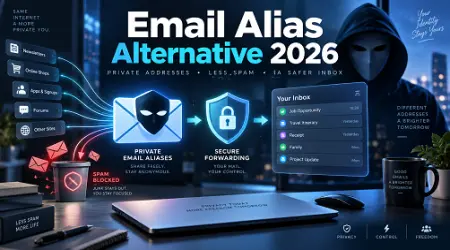
- The Mask (Email Alias for Signup): A forwarding address that routes emails to your real inbox. If a site starts spamming you, you simply toggle a switch to kill that specific alias forever.
- The Fortress (Encrypted Private Inboxes): A permanent, highly secure email alias completely unlinked from your real identity, hosted on servers in privacy-friendly countries like Switzerland or Germany.
Why You Absolutely Need a Temporary Email for Signup Today
Years ago, giving out your email meant you might get a few extra flyers in your virtual mail. Today, the stakes are significantly higher. Here is why you need a private email for online accounts.
1. The Invisible Tracking Pixels
What most people don’t realize is that nearly every promotional email contains invisible, 1x1 pixel tracking images. When you open the email, that pixel loads from the sender's server.
This quietly tells the marketer exactly when you opened the email, how many times you opened it, your general physical location (via IP address), and what device you are using. A secure email alias strips these trackers out before they ever reach your retinas.
2. The Inevitable Data Breaches
It seems like every week a massive corporation announces a "security incident." If you use the same email and password combination everywhere, one breached fitness app can compromise your banking details.
By using a unique anonymous signup email for every single service, a breach at one company remains isolated. The hackers only get a useless, random string of characters.
3. The Spam Avalanche
Companies sell your data. It's built into the terms and services nobody reads. Once your real email is on a "verified active buyers" list, it is traded across data brokers globally. Using a disposable email for signup acts as a firewall against this digital pollution.
The Best Anonymous Email Services 2026: My Top Recommendations
After working with dozens of cybersecurity tools and testing every temporary inbox on the market, I’ve narrowed down the absolute best anonymous email services 2026 has to offer.
I categorize these based on what you actually need them to do.
1. SimpleLogin & Proton Pass (Best for Permanent Email Aliases)
If you want to protect your real email address but still receive important updates, SimpleLogin (which recently merged heavily with the Proton privacy ecosystem) is the gold standard.
Instead of giving a website your real email, Proton Pass generates a random masked email address (like [email protected]). This forwards seamlessly to your real Gmail or Outlook.
Pro Tip: If you upgrade to their premium tier, you get unlimited aliases. It is one of the best digital investments you can make for your sanity.
2. Apple's "Hide My Email" (Best for iOS Users)
If you are deeply embedded in the Apple ecosystem and pay for iCloud+, you already have one of the best privacy tools built right into your phone.
When you sign up for an app or website on an iPhone or Mac, iOS automatically prompts you to "Hide My Email." It generates a unique, random iCloud address and routes the mail to your main inbox. It is frictionless, fast, and incredibly effective for anonymous account registration.
3. DuckDuckGo Email Protection (Best Free Tracker Remover)
DuckDuckGo offers a brilliant, free extension. You claim a @duck.com address, and they provide unlimited private aliases on the fly.
Their biggest advantage? Before forwarding the email to your real inbox, DuckDuckGo strips out all hidden tracking pixels, ensuring a completely spam-free signup email experience where nobody knows you are reading their messages.
4. Temp-Mail.org (Best for Quick, Dirty Burner Emails)
Sometimes you don't need a forwarder; you just need a disposable email address for 10 minutes to click a verification link and download a file.
For this, standard temp mail services are perfect. You visit the site, instantly receive a random address, click the verification link that arrives a few seconds later, and close the tab. The inbox vanishes into the ether.
Step-by-Step: How to Master Anonymous Account Registration
Setting up an anonymous email for signup doesn't require a degree in computer science. Here is the exact workflow I recommend for beginners.
Step 1: Choose Your Alias Provider
Decide if you want a browser extension (like DuckDuckGo or SimpleLogin) or a built-in OS tool (like Apple Hide My Email). Install the necessary extension on your browser.
Step 2: Generate the Alias on the Fly
When you reach a website's registration page, do not type your real email. Instead, click the alias icon in your email field (most extensions auto-populate this). The tool will generate a random string, such as [email protected].
Step 3: Pair with a Password Manager
Because you will eventually have 100 different email addresses for 100 different websites, you cannot rely on memory. You must use a reliable password manager (like Bitwarden, 1Password, or Proton Pass) to save the exact alias alongside the password.
Step 4: Manage Your Inbox Flow
All emails from these aliases will forward to your main, real inbox. You can read them normally.
Step 5: Kill the Alias if Needed
If a company starts sending you daily spam, simply log into your alias dashboard and toggle the switch next to their name to "Off." The spam stops instantly, and the company is none the wiser.
See here……….
Real-World Case Study: Escaping the "Free Webinar" Spam Trap
To illustrate the need for this I'll let me tell you a short story.
A colleague requested to attend a “free” marketing webinar a couple of months ago. It was a bit of effort to access as the host had to have an email address. My colleague, knowing better, employed an email address that he used for this site only and created for that intent.
During the last 30 days, 412 emails were sent to the particular name.
But it gets worse. Once more, it was a unique alias per webinar and we could identify who that webinar provider shared it with. But out of nowhere, emails began dropping into my inbox from crypto companies and real estate experts and crazy software.
When he sent his email using a masked email address, he was not required to invest countless hours in unsubscribing (which typically just alerts spammers that you're a live email address). His one click did the job and he deleted the alias and ended the spam right at the source.
Pros and Cons of Using a Private Email Alias
Before you dive in, it is important to understand the landscape. While a burner email for signup is mostly beneficial, there are a few caveats.
3 Common Mistakes When Using a Burner Email for Signup
While setting up a secure email alias is straightforward, there are a few critical errors I see beginners make all the time.
Mistake 1: Using Temp Mail for Important Accounts
Never use a self-destructing disposable email address for anything that handles your money, your healthcare, or your primary identity. If you use a 10-minute temp mail to sign up for a crypto exchange, and later get logged out, you will never be able to receive the password reset link. Your account will be gone forever. Reserve temp mail strictly for one-off downloads and junk sites.
Mistake 2: Not Using a Password Manager
I cannot stress this enough: if you are using unique emails for every site, your brain cannot keep track of them. Relying on memory or a spreadsheet will end in disaster. You must integrate your alias strategy with a dedicated password manager.
Mistake 3: Replying From Your Real Email
If an alias forwards an email to your real Gmail inbox, and you hit "Reply," you might accidentally expose your real Gmail address in the sender field. Premium alias services allow you to "reverse reply," sending the email back through the proxy server to maintain the illusion. Always double-check your "From" address before sending.
Frequently Asked Questions (FAQs)
Is it illegal to use a fake or anonymous email address?
No, it is completely legal. Protecting your digital privacy is your right. However, using an anonymous email to commit fraud, harass others, or break the law remains illegal.
Can websites detect and block temporary email addresses?
Yes. Many websites use scripts to block well-known temp mail domains to prevent bots. If a site blocks your burner email, an alias service (like SimpleLogin) using a custom domain usually bypasses this restriction easily.
Will using a secure email alias slow down my email delivery?
Generally, no. Premium alias services forward emails within milliseconds. You won't notice any lag when waiting for verification codes or password reset links.
Do I need a VPN to use an anonymous signup email?
While not strictly required, using a VPN alongside a private email alias is best practice. The alias hides your email identity, while the VPN hides your physical IP address, providing a complete privacy shield.
Are free anonymous email services safe to use?
Reputable ones like DuckDuckGo or Apple are perfectly safe. However, avoid obscure, unnamed temp-mail sites for anything remotely personal, as the owners of those sites could technically read the unencrypted emails passing through their servers.
Final Thoughts: Taking Back Your Digital Privacy
To illustrate the need for this I'll let me tell you a short story.
A colleague requested to attend a “free” marketing webinar a couple of months ago. It was a bit of effort to access as the host had to have an email address. My colleague, knowing better, employed an email address that he used for this site only and created for that intent.
During the last 30 days, 412 emails were sent to the particular name.
But it gets worse. Once more, it was a unique alias per webinar and we could identify who that webinar provider shared it with. But out of nowhere, emails began dropping into my inbox from crypto companies and real estate experts and crazy software.
When he sent his email using a masked email address, he was not required to invest countless hours in unsubscribing (which typically just alerts spammers that you're a live email address). His one click did the job and he deleted the alias and ended the spam right at the source.