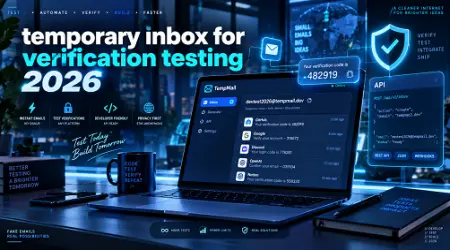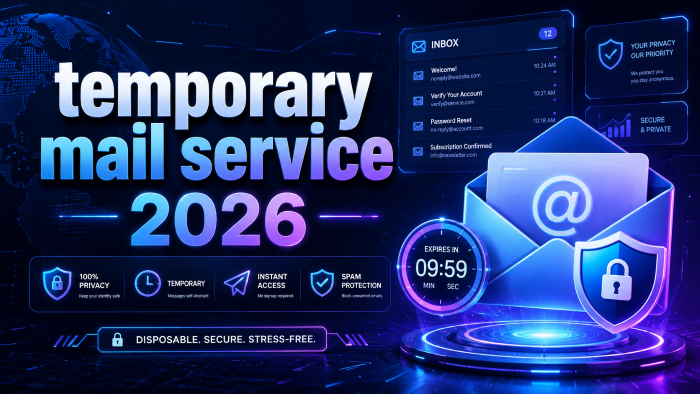
How a Temporary Mail Service in 2026 Can Save Your Digital Sanity
If your primary email inbox looks anything like a digital landfill, you are not alone.
I remember opening my personal inbox a few years ago and staring at a wall of 500 unread messages. Out of those, maybe three were actually important. The rest? Promotional spam, desperate sales pitches, and newsletters I swore I never signed up for.
That was the moment I realized the old way of managing email is fundamentally broken. Every time we want a simple 10% discount code, access to a free Wi-Fi network at an airport, or a quick peek at an eBook, we are forced to trade our personal data.
And in 2026, the internet is more aggressive with data collection than ever before.
This is exactly why a temporary mail service has evolved from a niche hacker tool into an absolute necessity for everyday internet users. If you are tired of unsubscribing from lists only to mysteriously appear on three new ones, you need a smarter defense strategy.
In this guide, I'm going to pull back the curtain on how to effectively use a temporary email address to protect your privacy, avoid spam emails, and keep your primary inbox pristine.
What Exactly is a Temporary Mail Service?
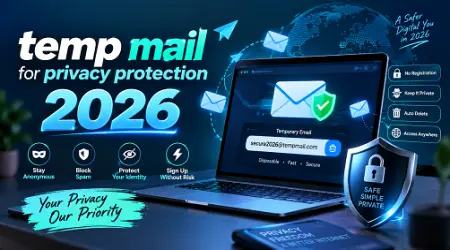
To put it simply, a temporary mail service is a tool that provides you with a short-lived, self-destructing email address.
Snippet Answer: A temporary mail service is a privacy tool that generates a disposable email address for immediate use. These addresses allow you to receive emails, such as account verifications or download links, without revealing your actual email address. After a set period, the temporary inbox and its contents are automatically deleted, protecting you from future spam.
Unlike your permanent Gmail or Outlook account, a throwaway email isn't meant for long-term relationships. It’s a digital burner phone.
When you use a free temp mail provider, you don't need to provide your name, phone number, or backup email to create an account. You just click a button, get an instant temp mail address, use it for whatever quick task you have, and then close the browser.
The Evolution: Why We Need This More Than Ever in 2026
What most people don’t realize is that your email address is now essentially your digital fingerprint.
Data brokers track your activity across the web by linking your purchases, browsing habits, and subscriptions back to that single email address. When you use a fake email generator or a temporary inbox, you break that chain of tracking.
In my experience working with privacy tools over the last decade, the shift has been dramatic. We aren't just avoiding annoying newsletters anymore; we are actively preventing massive databases from building detailed profiles of our digital lives.
My Top Real-World Scenarios for a Disposable Email
You might be wondering, "When would I actually use this?" Once you start using a disposable mail service, you'll find excuses to use it everywhere. Here are the most practical everyday use cases.
1. The "One-Time Read" Gatekeeper
We've all been there. You click on an interesting article or a promising PDF guide, and suddenly, a massive pop-up blocks your screen demanding your email address before you can read it.
Instead of sacrificing your main inbox to the marketing gods, you generate a temporary email, grab the guide, and leave. You get the value; they get a self-destructing dead end.
2. Software Trials and Freemium Testing
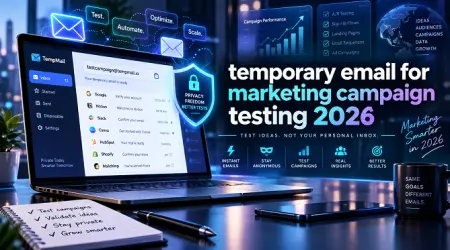
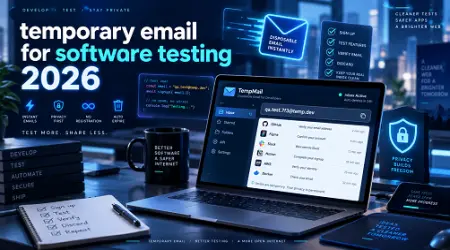
As someone who tests a lot of software and digital tools, I use a temp email generator constantly. If I want to try a new productivity app for a 7-day trial, I don’t want their aggressive onboarding drip campaigns haunting me for the next three years.
Using a temporary email for signup allows you to test the waters. If the software is actually good and you decide to buy it, you can easily change your account email to your permanent one later.
3. Public Wi-Fi and In-Store Discounts
Ever tried to connect to airport Wi-Fi, only to be hit with a mandatory registration page? Or maybe a retail store offers 20% off your purchase at the register if you sign up for their loyalty club right then and there.
Keeping a temporary email for OTP (One-Time Password) and quick verifications on your phone means you can grab that discount or internet access instantly, without dooming your inbox to daily promotional blasts.
See here…………CoC TH18 Base| 7 Powerful Designs to Crush Your Enemies
How to Use a Temporary Email Generator (Step-by-Step)
If you are a beginner, the process might sound complicated, but it is actually easier than logging into your regular email.
Here is exactly how you can set up and use a free temporary email in under thirty seconds:
- Find a reliable provider: Navigate to a trusted privacy email service website or open their dedicated app on your phone.
- Generate the address: Most sites instantly assign you a random string of characters (e.g., [email protected]) the moment the page loads.
- Copy the address: Click the prominent "Copy" button next to your new temporary email address.
- Paste it where needed: Go to the website demanding your email and paste your newly generated address into their registration field.
- Wait for the verification: Keep the temp mail tab open. Within seconds, the website's confirmation email will appear in your temporary inbox.
- Verify and vanish: Click the email verification link, grab your download or activate your trial, and then simply close the tab. The inbox will destroy itself shortly after.
The Best Features to Look for in a Temp Mail Provider
Not all disposable email services are created equal. Some are fantastic, while others are actually operated by the very data brokers you are trying to avoid.
After testing dozens of tools, here is a breakdown of what makes a great service versus a terrible one.
Good vs. Bad Temporary Mail Services
Insider Tip: If a free service is overloaded with intrusive pop-up ads, it's a good sign their primary business model is data collection, not privacy. Look for clean, minimalist providers.
Anonymous Email vs. Alias Forwarding: A Crucial Distinction
This is a digital hack that most casual users completely miss. There are actually two distinct ways to protect your inbox, and knowing the difference is crucial for your workflow.
The Pure Throwaway Email
This is the classic 10 minute mail. It exists entirely on the provider's server. Once the browser window is closed or the time expires, the email is gone forever. This is perfect for untrusted sites, quick downloads, and one-off registrations where you will never need to reset a password.
The Email Alias Forwarder
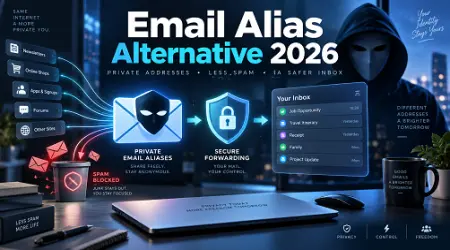
If you want privacy but still need long-term access, an alias forwarder is the ultimate upgrade. Services like Apple's "Hide My Email" or dedicated alias managers create a unique, fake email address that automatically forwards messages to your real, primary inbox.
If that specific alias starts receiving spam, you just flip a toggle switch to turn it off. The sender has no idea what your real address is, but you maintain the ability to receive password resets or important account updates.
For freelancers and digital marketers managing dozens of client logins and software subscriptions, utilizing an alias manager is an absolute game-changer. It’s also a great pairing with a premium password manager and a solid VPN to lock down your entire digital identity.
Common Mistakes When Using a Disposable Mail Service
While secure temporary email tools are incredibly useful, they can backfire if used incorrectly. Here are the biggest pitfalls I see people run into:
Using them for banking or financial accounts:
Never, under any circumstances, use a temporary inbox for something tied to your money, legal identity, or essential services. If you ever get locked out of your bank account and need a password reset link sent to an expired temporary email, you are going to have a massive headache.
Forgetting about account recovery:
If you sign up for a social media account using a temp mail and forget your password three months later, that account is gone. Only use throwaways for platforms you don't care about losing access to.
Assuming it provides total anonymity:
A temporary email hides your address, but it doesn't hide your IP address. If you are doing something highly sensitive and think a fake email generator makes you an invisible ghost on the web, think again. For true anonymity, you need to layer your email strategy with a reliable, no-logs VPN service.
See here…………Disposable Email vs Burner Email: What’s the Difference?
Pros and Cons of a Privacy Email Service
To keep things perfectly objective, let's look at the reality of using these tools daily.
The Pros
- Zero Spam: The most obvious benefit. Your real inbox stays clean and focused on important communications.
- Instant Setup: No passwords to remember, no forms to fill out, and absolutely zero friction.
- Security: Reduces the risk of falling victim to phishing attacks, as the shady emails never reach your primary inbox where you might accidentally click a bad link.
- Data Privacy: Keeps your main identity off the radar of data brokers and aggressive marketing agencies.
The Cons
- Blocked Domains: Many major websites (like Netflix or Facebook) maintain lists of known temporary mail domains and will block you from registering with them.
- No Recovery: The self-destructing nature means zero chance of password recovery.
- Lack of Features: You generally cannot send outgoing emails from these services; they are strictly for receiving.
Frequently Asked Questions (FAQs)
1. Is it legal to use a temporary email address?
Yes, absolutely. There are no laws against using a disposable email to protect your privacy and manage your inbox. However, using them to commit fraud or harassment is illegal, regardless of the email type.
2. Can I send emails using a temp mail service?
Usually, no. Most temporary email providers only allow you to receive messages. This is designed to prevent their platforms from being weaponized by spammers to send out massive phishing campaigns.
3. Why do some websites reject my temporary email?
Security-conscious websites use filters to detect and block known disposable domains. They want real users who can be marketed to or verified. If this happens, you may need to try a different temp mail provider or use a custom domain alias.
4. How long does a 10 minute mail actually last?
While the classic name is "10 minute mail," many modern providers allow you to refresh the timer or keep the inbox alive as long as you keep the browser tab open. Some even offer 24-hour lifespans.
5. Are free temp mail services safe to use?
They are safe for receiving low-risk emails like discount codes or newsletters. However, because some free inboxes are public (meaning anyone who types in that exact address can see the emails), you should never use them for highly sensitive, private, or confidential information.
6. Should I pay for a premium temporary email service?
If you only need a throwaway email once a month, free services are fine. But if you are a power user, freelancer, or someone serious about privacy, investing a few dollars a month in a premium alias forwarding service is highly recommended. It gives you custom domains, better security, and guarantees the sites won't block your registrations.
Taking Control of Your Digital Footprint
At the end of the day, managing your digital footprint doesn't have to be a losing battle.
By strategically using a temporary mail service in 2026, you are taking back control of who gets access to your attention. You are drawing a line in the sand and telling marketers that your primary inbox is reserved for real humans and essential communications only.
It might seem like a small digital hack, but once you experience the quiet peace of an inbox that isn't overflowing with junk, you will never go back to freely handing out your real email address again.
Start small. The next time a random website demands an email address for a 15% off coupon, open a new tab, generate a throwaway email, and see how easy it is to protect your privacy.
What about you? Have you ever had your inbox completely ruined by a single newsletter signup? Let me know in the comments how you handle email spam, and share this guide with that one friend whose inbox currently has 14,000 unread messages!