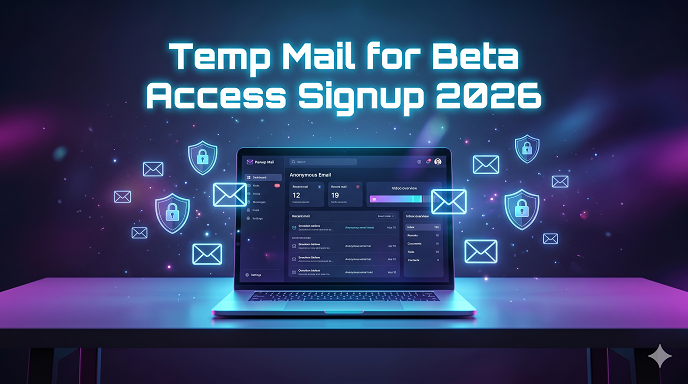
Stop Spam in Its Tracks: The Ultimate Guide to Using Temp Mail for Beta Access Signup 2026
We have all been in this exact situation. You are scrolling through your feed, and you spot an ad for a groundbreaking new software tool. It looks like exactly what you need to streamline your workflow or solve a nagging problem. The catch? It is in a closed testing phase, and you need to join a waitlist.
You eagerly type in your primary email address. Fast forward two weeks, and you have not received an invite to the software, but your inbox is suddenly flooded with daily marketing newsletters, aggressive sales pitches, and promotional garbage from partner companies you have never even heard of.
In my experience as a digital strategist who tests dozens of new platforms every month, your email address is currency. Companies offer "early access" in exchange for the right to market to you relentlessly. This is exactly why utilizing a temp mail for beta access signup 2026 is no longer just a neat trick for tech geeks; it is an absolute necessity for anyone who wants to protect their digital sanity.
Today, I am going to walk you through the hidden features, practical solutions, and advanced hacks of using temporary inboxes. We will cover how to seamlessly test new platforms while keeping your real inbox pristine.
WHY YOU NEED A TEMPORARY EMAIL FOR SIGNUP IN 2026
The landscape of software launches has shifted dramatically. In 2026, almost every new app, productivity suite, or creative tool launches with a "beta" phase. It builds hype. It gathers user data. But it also exposes early adopters to massive amounts of spam.
When you use a disposable email for beta access, you are building a firewall between your personal life and corporate marketing machines.
What most people don’t realize is that when you hand over your primary email, you are often also handing over a tracking beacon. Many newsletters contain invisible tracking pixels that tell the sender when you opened the email, what device you used, and where you clicked. By funneling these requests through a temporary inbox, you strip away their ability to profile your reading habits. You get to peek behind the curtain of the new software without giving up your digital footprint.
HOW A TEMP MAIL GENERATOR 2026 ACTUALLY WORKS
If you have never used one before, the concept might sound slightly overly technical, but it is beautifully simple in practice.
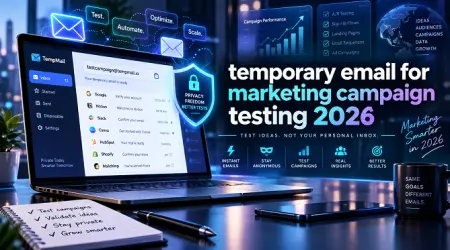
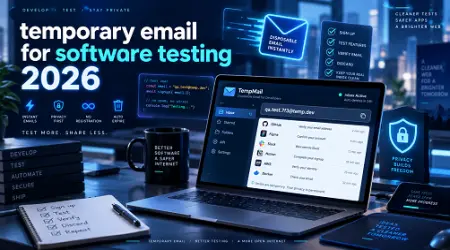
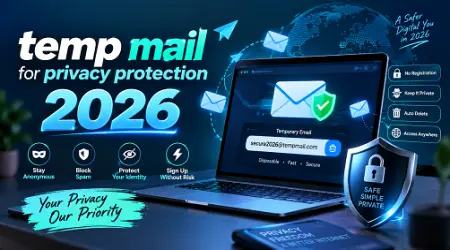
When you visit a temp mail generator 2026, the service instantly creates a randomly generated email address on their domain. Think of it as a digital burner phone. This address is completely live and capable of receiving messages immediately.
There are no passwords to set up. There is no two-factor authentication to fumble with. You simply copy the address, paste it into the signup form of the app you want to test, and leave the generator's webpage open. Within seconds, the confirmation email will appear on that page. You click the link, verify your account, and you are in.
Once you close the browser tab, that inbox eventually self-destructs. The email address vanishes into the ether, and any future spam sent to it will simply bounce back to the sender. It is the ultimate fake email for testing.
TOP STRATEGIES TO USE DISPOSABLE EMAIL FOR BETA ACCESS
After working with countless digital tools over the years, I can tell you that not all temporary email strategies are created equal. Software companies have gotten smarter, and many platforms now actively block known burner domains. Here is how you stay one step ahead.
Step 1: Choose the Right Free Temp Mail Service
You want a service that rotates its domains frequently. If a temporary email provider has been using "@superburner.com" for three years, every major app developer has already blacklisted it. Look for platforms that refresh their domain pools daily.
Step 2: Keep the Tab Open for the Temp Inbox for Verification
This is a classic beginner mistake. You generate the email, paste it into the app, and accidentally close the temp mail tab. If the service does not use cookies to remember your session, that inbox is gone forever. Always keep the temp inbox for verification open until you have successfully clicked the confirmation link.
Step 3: Test the Anonymous Email Signup Process First
Before committing to a long onboarding process for a new app, do a dry run. Send a quick test email from a secondary personal account to your newly generated temporary address just to ensure the routing is instantaneous.
Step 4: Use a Password Manager
Just because you are using a temporary email does not mean you should use a weak password for the beta software. Generate a strong password and save it in your password manager alongside the temporary email address you used. This way, if the beta session logs you out later that day, you still have the exact credentials to get back in.
See here…………Spectrum WiFi Connected But No Internet? Fix It in 5 Minutes
PROS AND CONS OF USING A FAKE EMAIL FOR TESTING
Like any digital strategy, using a one-time email address comes with its own set of advantages and limitations. Let us break them down so you know exactly what you are getting into.
The Advantages
- Absolute Inbox Zero: Your primary email remains completely free of promotional clutter and unwanted newsletters.
- Enhanced Privacy: You prevent companies from linking your software testing habits to your real identity or social media profiles.
- Faster Testing: Skipping the email verification loop on your personal phone or desktop mail client saves valuable time when you are just trying to quickly evaluate a tool's user interface.
- Unlimited Trials: If a beta platform limits usage by email address, a secure temporary email allows you to start fresh and test multiple use cases.
The Limitations
- Zero Account Recovery: If you forget your password to the beta app, you cannot request a password reset. The email address no longer exists to receive the reset link.
- Potential Blacklisting: High-security platforms (like financial tech or banking betas) will almost certainly flag and reject known burner domains.
- Loss of Important Updates: If the beta transitions into a highly sought-after paid product and they email early adopters a massive discount code, you will never see it.
COMMON MISTAKES WHEN USING A BURNER EMAIL FOR APPS
Even seasoned tech enthusiasts make errors when navigating anonymous email signups. Let’s look at the pitfalls to avoid.
Using It for Core Services
Never use a burner email for apps that handle sensitive data, like a new crypto wallet beta or a proprietary business communication tool. If the platform logs you out for security reasons and demands email verification to let you back in, you will permanently lose access to your data. Temporary emails are for testing the waters, not building a permanent home.
Ignoring Premium Privacy Suites
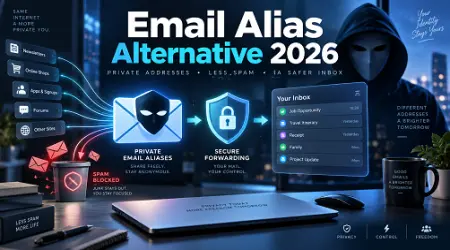
If you find yourself constantly battling blacklisted temp domains, it might be time to upgrade your approach. While free tools are great, investing in a premium privacy service or a secure VPN suite often gives you access to private email aliasing. These services let you generate unique, forwardable email addresses that look incredibly authentic to software developers. They cost a small monthly fee, but if you value your privacy and frequently test new platforms, the investment easily pays for itself by saving you time and frustration.
Forgetting the Domain Name
If you plan to log back into the beta application a week later, you need to know what email address you used. I have watched colleagues set up a brilliant workflow in a beta app, only to realize they closed the temp mail window and have absolutely no memory of the randomly generated string of letters they used as their login. Always document the address.
MY FAVORITE SECURE TEMPORARY EMAIL HACKS
Let me share a few insider tactics that elevate your privacy game.
The "Plus Addressing" Alternative
If you are dealing with a platform that violently rejects every free temp mail service you throw at it, you can sometimes use the "plus" trick with your regular email, provided you use a major provider like Gmail. Simply add a plus sign and a keyword before the "@" symbol (e.g., [email protected]). While this doesn't hide your identity, it does allow you to instantly set up a filter that sends anything sent to that exact address straight into the trash folder once you are done testing.
Combining VPNs with Temp Mail
When I am doing a deep-dive analysis on a new platform and want a truly anonymous email signup, I never visit the temp mail site on my native IP address. Booting up a reliable VPN before generating the email, and keeping it on while accessing the beta, ensures that neither the email provider nor the software developer can tie the session back to my physical location.
Browser Extensions
Stop manually navigating to temp mail websites. The most efficient workflow utilizes browser extensions. With a good extension, you can right-click any email field on a signup page, click "generate," and the extension will automatically fill the field and open a background inbox for you. It turns a clunky process into a one-second frictionless action.
See here……….Easy defense base COC
FAQS ABOUT ANONYMOUS EMAIL SIGNUP
To round out our strategy, let us address some of the most common questions I hear from users trying to protect their primary inboxes.
Are temp mail generators legal to use?
Yes, absolutely. Using a temp mail generator 2026 to protect your privacy and manage your digital communication is entirely legal. However, using them to commit fraud or abuse a platform's terms of service is where you cross the line into illicit activity.
Can developers tell I am using a burner email for apps?
Often, yes. Developers maintain lists of known temporary email domains. If your generated email ends in something notorious, the signup form might throw an error. This is why using services that frequently rotate their domain names is crucial.
How long does a one-time email address last?
It depends entirely on the service. Some self-destruct after exactly ten minutes. Others last until you close the browser window, and some allow you to manually delete the inbox when you are finished. Always check the rules of the specific provider you choose.
Can I send emails from a free temp mail service?
Most standard free services are receive-only. This is to prevent spammers from using the platforms to send malicious campaigns. If you need to reply to an email anonymously, you will usually need to look into encrypted, privacy-focused email providers rather than simple burners.
Is a secure temporary email really secure?
They are secure in the sense that they protect your primary identity. However, anyone who knows the exact generated email address can usually view that inbox if the session is still active. Never send personal, financial, or sensitive data through a public temporary inbox.
Can I recover an account if the temp email is gone?
No. Once the inbox is destroyed, there is no digital paper trail. If you forget your app password and need a reset link, you are permanently locked out.
CONCLUSION: TAKING BACK YOUR INBOX
Navigating the digital landscape in 2026 requires a bit of defensive driving. Software companies are more aggressive than ever with their marketing funnels, and your primary email address is the key to that funnel.
By strategically using a temp mail for beta access signup 2026, you take the power back. You get to explore the cutting edge of digital tools, test drive the latest software, and satisfy your curiosity without sacrificing your privacy or cluttering your personal space.
Remember the core rules: use them for testing, never for sensitive data, keep your verification tabs open, and consider stepping up to a premium alias service or VPN combo if you are a power user looking for frictionless access.
Your inbox is your digital home. Stop letting every passing software beta track mud across the carpet.
Are you currently testing any exciting new beta platforms? What is your go-to method for keeping your main inbox clean? Let me know in the comments below, or better yet, share this guide with that one friend or colleague whose email inbox currently has 50,000 unread messages. They definitely need it.